
Ghana woos investors at IMF-World Bank meetings after $3bn bailout exit
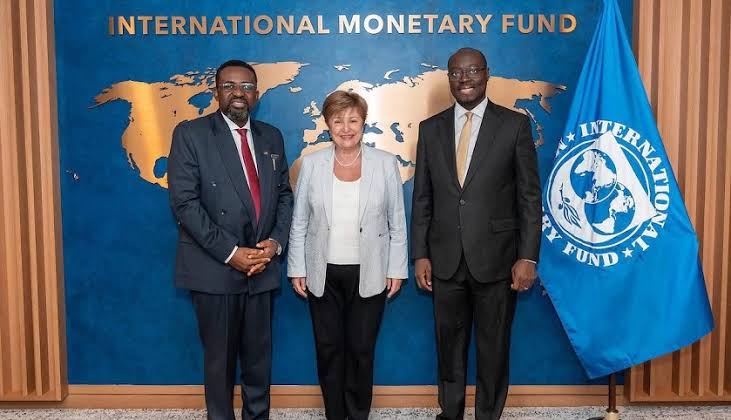
Ghana is stepping up efforts to attract investor confidence and reassure financial markets about its economic outlook as government officials participate in the IMF-World Bank meetings in Bangkok, Thailand, following the country’s exit from the International Monetary Fund’s US$3 billion bailout programme.
The October 12–18 meetings represent an important opportunity for Ghana to demonstrate its commitment to economic reforms as it transitions from the IMF’s Extended Credit Facility (ECF) to a non-financing Policy Coordination Instrument (PCI).
The shift marks a move away from direct financial support towards policy monitoring, reform implementation and efforts to sustain confidence in the economy.
Officials from the Ministry of Finance and the Bank of Ghana are expected to hold separate and joint engagements with investor groups to discuss economic developments, outline the government’s policy priorities and explore potential areas of cooperation.
The discussions come as Ghana seeks to consolidate the gains achieved under its IMF-supported programme and demonstrate its ability to maintain economic stability without continued bailout financing.
Investor confidence faces a crucial test
With the PCI arrangement providing no fresh IMF funding, Ghana must demonstrate that it can sustain a credible economic policy framework, manage its debt obligations and meet financing needs without relying on further programme disbursements.
The engagements in Bangkok offer an opportunity for officials to explain how the government intends to preserve macroeconomic stability, strengthen public finances and maintain investor confidence in the post-bailout period.
For investors, the focus will extend beyond government assurances to the consistency and effectiveness of policy implementation. Fiscal discipline, expenditure management, domestic revenue mobilisation and debt sustainability will be critical in shaping perceptions of Ghana’s economic outlook.
The ability to protect recent economic gains will also be under scrutiny, particularly as the country seeks to avoid policy reversals that could undermine its recovery and weaken confidence in its financial markets.
IMF partnership shifts towards policy monitoring
Ghana’s transition to the PCI follows an IMF staff team’s visit to Accra in mid-September to discuss the new arrangement. Further engagements in Bangkok are expected to focus on the benchmarks and reforms that will guide the country’s continued relationship with the Fund.
Although the PCI does not provide direct financing, it offers a framework for monitoring economic policies and assessing progress towards agreed objectives. The arrangement could also help reinforce confidence in the government’s commitment to maintaining sound economic management.
However, its effectiveness will depend on the credibility of the benchmarks, the quality of implementation and the government’s willingness to sustain reforms over time.
Continued engagement with the IMF may reassure investors that Ghana remains committed to prudent economic policies. However, the arrangement alone cannot guarantee investor confidence or substitute for sound fiscal management.
The challenge for policymakers will be to preserve reform momentum and demonstrate measurable progress without the financial support that accompanied the ECF programme.
Borrowing costs and market access in focus
Ghana’s ability to maintain investor confidence will have significant implications for its access to international capital markets and the cost of future borrowing.
Consistent implementation of reforms and a credible fiscal framework could improve perceptions of the country’s economic risk and help create conditions for lower financing costs over time.
Conversely, a deterioration in fiscal discipline, delays in reform implementation or renewed concerns about debt sustainability could weaken investor sentiment and increase borrowing pressures.
The meetings also come as the government seeks to consolidate economic stability and establish a stronger foundation for sustainable long-term growth.
Investors are expected to look for clarity on Ghana’s medium-term fiscal outlook, debt management strategy and policies designed to encourage private-sector investment and economic activity.
Ultimately, Ghana’s message in Bangkok must extend beyond the completion of its US$3 billion bailout programme. The country must demonstrate that it can sustain economic reforms, meet its financial obligations and preserve macroeconomic stability without continued IMF lending.
While the investor engagements could help shape market perceptions, lasting confidence will depend on tangible results at home. Ghana’s ability to translate policy commitments into sustained economic progress will be central to determining whether the post-bailout transition strengthens its financial credibility and future financing prospects.
Source: Sekunde FM




About the Author