
Ghana loses GH¢5.7bn yearly due to reliance on imported tomatoes — CAG
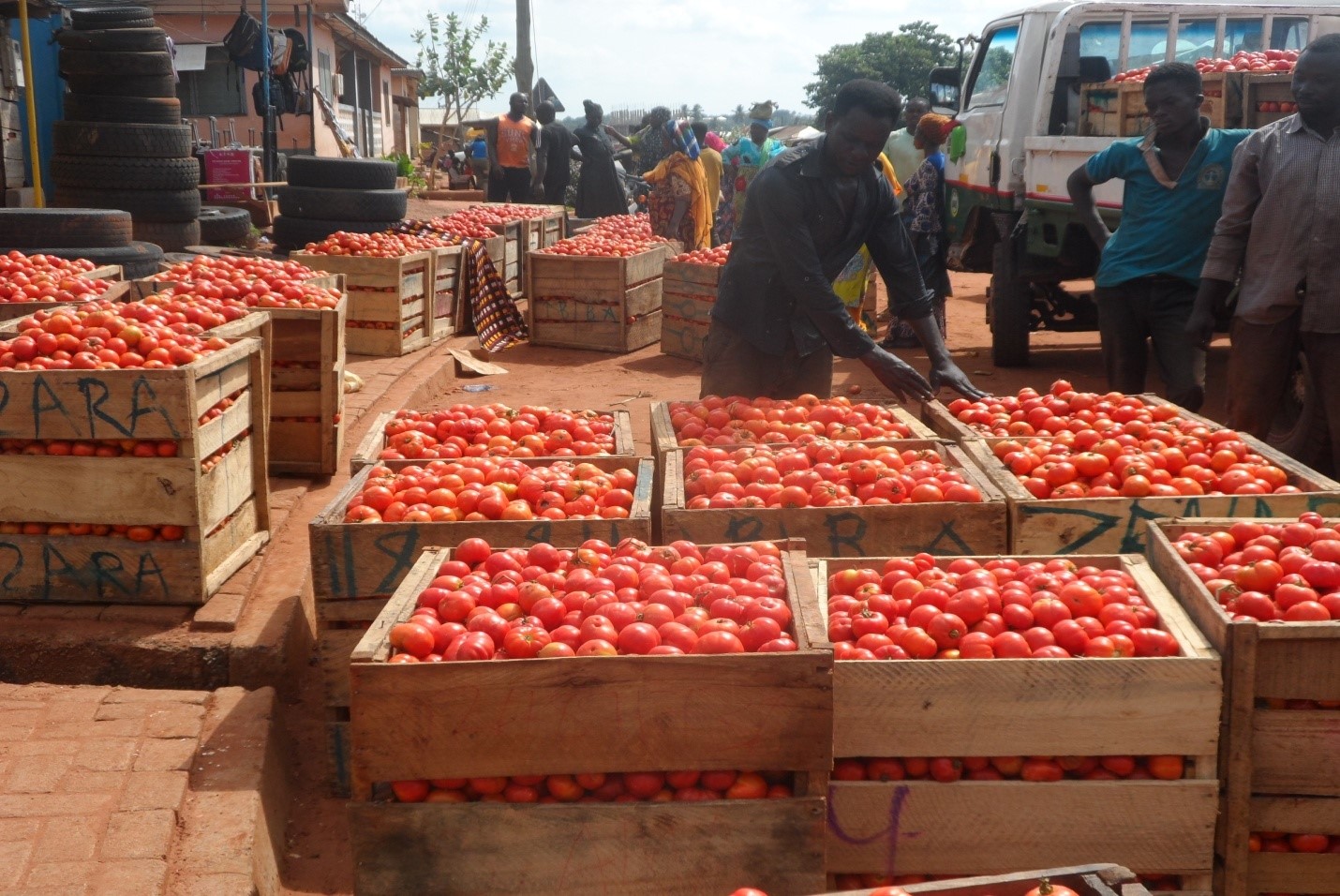
The Chamber of Agribusiness Ghana (CAG) has disclosed that Ghana loses an estimated GH¢5.7 billion each year due to heavy dependence on imported tomatoes, inefficient local production systems, and weak value-addition infrastructure.
In a statement released on Monday, February 16, the Chamber described the loss as an economic drain equivalent to 1.2% of the country’s Gross Domestic Product (GDP). The announcement coincided with the unveiling of a National Tomato Production Strategy (2026–2030), developed in collaboration with stakeholders across the tomato value chain.
According to CAG, Ghana spends between GH¢650 million and GH¢760 million annually on importing fresh tomatoes and tomato paste. The country imports roughly 75,000–100,000 metric tonnes of fresh tomatoes and 78,000–100,000 metric tonnes of tomato paste each year, making it the world’s second-largest importer of tomato paste after Germany.
However, the Chamber emphasized that the true cost of import dependency extends beyond import bills. Ghana is estimated to forgo GH¢180 million–GH¢220 million in uncollected taxes, including income tax, VAT, and corporate taxes, due to an underdeveloped domestic industry that could otherwise create around 250,000 jobs.
Post-harvest losses remain another major challenge. An estimated GH¢175 million–GH¢250 million worth of locally grown tomatoes spoil annually due to inadequate cold storage, accounting for 30%–45% of total production losses.
The broader economic impact is significant. CAG estimates that foregone wages for Ghanaians in a fully developed tomato sector amount to GH¢4.5 billion annually—benefits that currently go to foreign farmers and processors supplying the local market. The Chamber also noted the security risks associated with cross-border tomato trade, citing recent unrest in Burkina Faso that has affected Ghanaian traders.
To address these challenges, CAG proposed a GH¢3.2 billion investment under its National Tomato Production Strategy, targeting a reduction in imports by at least GH¢600 million annually, generating GH¢220 million in tax revenues, and strengthening domestic production capacity.
The Chamber stressed that urgent investment and coordinated policy action are essential to safeguard national food security, protect traders, and retain billions of cedis within the Ghanaian economy.
Source: Sekunde FM




About the Author